
Exploring the psychology behind casino gambling
The Allure of Casino Gambling
The thrill of gambling in a casino environment can be quite enticing for many individuals. This allure is primarily driven by the combination of anticipation and unpredictability. Gamblers often experience a rush of adrenaline when placing bets or spinning a slot machine, which can lead to a heightened sense of excitement, especially when using the best sports betting apps canada that enhance their overall experience. This emotional stimulation is not only pleasurable but can create a cycle where the individual feels compelled to return to the casino for more of that exhilarating experience.
Moreover, the sensory elements within a casino play a significant role in attracting gamblers. Bright lights, enticing sounds, and vibrant colors are all designed to draw people in and keep them engaged. This carefully crafted atmosphere can trigger psychological responses that reinforce the desire to gamble, effectively captivating the mind. For many, these stimuli are not just entertaining; they create a whole experience that extends beyond mere betting, contributing to a social environment that many find appealing.
Additionally, casinos often employ strategies to encourage gambling behavior, such as offering complimentary drinks and rewards programs. These incentives can create a feeling of loyalty and increase the likelihood of returning. When individuals feel appreciated and valued, they may be more inclined to engage in gambling, often losing track of time and money in the process. This psychological manipulation of emotions demonstrates how deeply intertwined gambling and psychology really are, shaping the experiences of countless individuals who step into a casino.
The Role of Cognitive Biases in Gambling
Cognitive biases play a crucial role in shaping the decisions made by gamblers. One common bias is the illusion of control, where individuals believe they can influence the outcome of random events. For instance, a player might think that choosing their own numbers in a lottery gives them a better chance of winning than selecting random numbers. This misguided belief can lead to an overestimation of one’s skills or abilities, resulting in increased gambling activity.
This perception often leads to a phenomenon known as the gambler’s fallacy, where individuals think that past events influence future outcomes in gambling. For example, a person might believe that if a particular slot machine hasn’t paid out in a while, it is “due” for a win. Such misconceptions can create a cycle of risk-taking behavior, encouraging continued play despite potential losses. This illustrates how deeply ingrained cognitive biases can lead to irrational decision-making within the context of gambling.
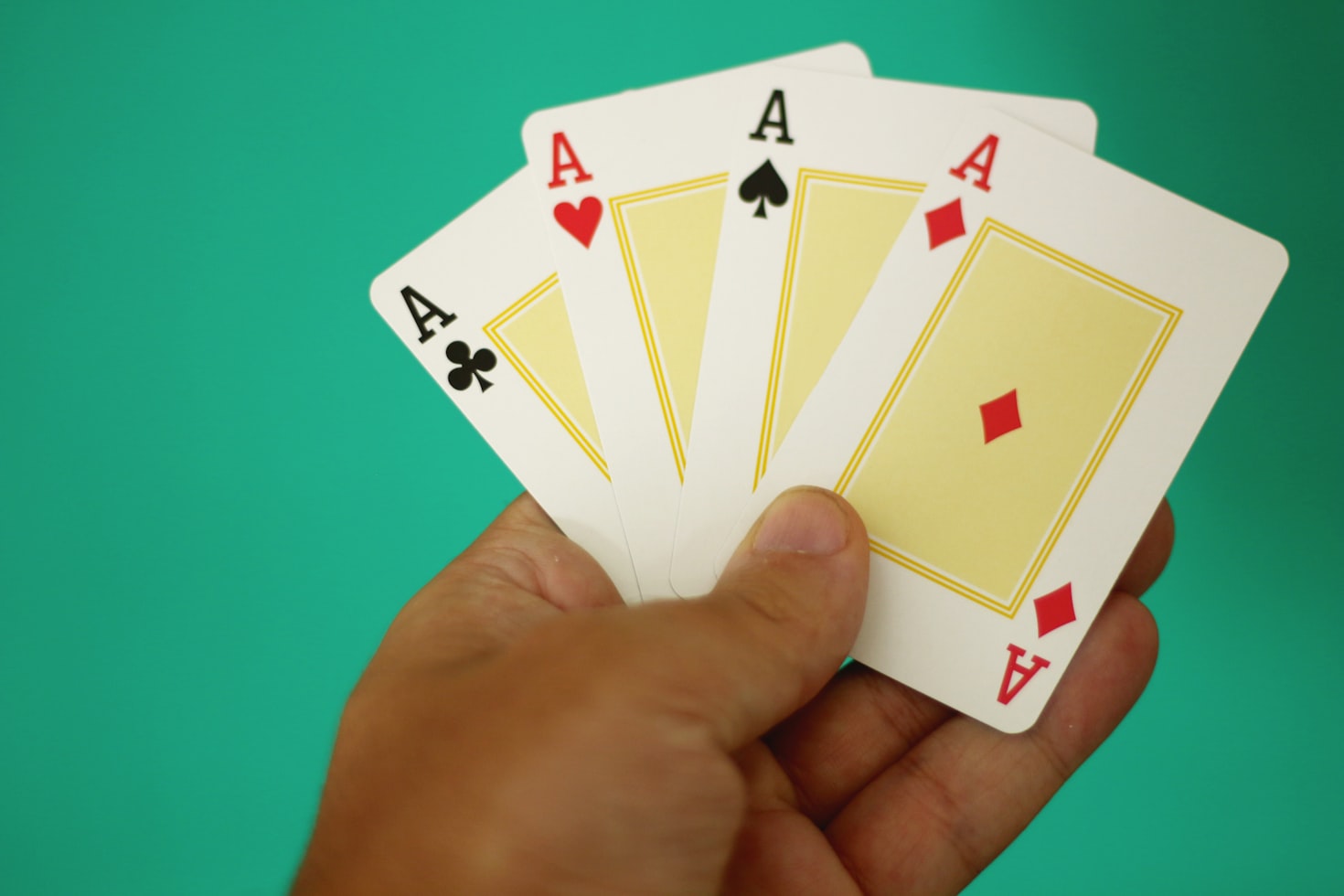
The psychological impact of these biases can be far-reaching, leading some individuals down the path of addiction. When gamblers ignore statistical probabilities in favor of personal beliefs, they can quickly lose touch with reality. Recognizing these cognitive distortions is the first step toward understanding the underlying psychology of gambling, allowing individuals to make more informed choices about their gambling habits.
The Social Dynamics of Gambling
Casino gambling is often a social activity, and this communal aspect can significantly influence behavior. Many gamblers enjoy the experience of playing alongside others, sharing in the excitement and tension of the moment. This social interaction can create a sense of belonging, as individuals bond over mutual interests and experiences. In this way, the casino becomes not just a place to gamble, but a venue for socialization, where connections are formed and friendships are nurtured.
Group dynamics can also impact individual gambling behavior. For instance, the presence of peers can encourage riskier betting and more impulsive decisions. Social pressures can lead individuals to chase losses or participate in gambling activities they might not engage in alone. In this context, the psychology of gambling becomes intertwined with broader social influences, illustrating how group behavior can enhance the thrill of gambling while simultaneously increasing the risks involved.
The temptation to gamble can also be fueled by social norms and perceptions regarding gambling within particular communities. In some cultures, gambling may be viewed as a rite of passage or a popular pastime, further encouraging individuals to participate. Understanding these social dynamics is essential for grasping the full psychological landscape of gambling and recognizing how social contexts shape individual behaviors and choices in the casino setting.
The Impact of Emotional States on Gambling Behavior
Emotions play a pivotal role in the decision-making processes of gamblers. Many individuals enter casinos seeking an escape from their daily lives, hoping to experience joy or relief from stress. However, it is crucial to note that heightened emotional states, whether positive or negative, can significantly affect gambling behaviors. For instance, someone celebrating a recent success may gamble more liberally, while an individual coping with distress might turn to gambling as a form of distraction.
The connection between mood and gambling is further complicated by the immediate feedback provided during gameplay. Winning can elicit feelings of euphoria and satisfaction, reinforcing the desire to continue gambling. Conversely, losses can lead to frustration or despair, potentially prompting individuals to gamble more in an attempt to recover their losses. This emotional rollercoaster can create a cycle of chasing losses, ultimately exacerbating financial and psychological issues.
Furthermore, understanding the emotional triggers that lead to gambling can be vital for effective interventions. For individuals struggling with gambling addiction, recognizing the role of emotional states can facilitate better coping strategies. By addressing the underlying emotional needs, individuals can develop healthier ways to manage their feelings, reducing the reliance on gambling as a means of emotional escape or regulation.
Understanding Gambling Addiction and Support Resources
Gambling addiction can have far-reaching consequences, impacting not only the individual but also their relationships, financial stability, and overall well-being. The addictive nature of gambling is often rooted in the very psychological mechanisms discussed earlier—cognitive biases, social influences, and emotional states all contribute to the complexity of this issue. For many, recognizing that they may have a problem is the first step toward seeking help.
Fortunately, numerous support resources are available for individuals struggling with gambling addiction. Therapy and counseling can provide tailored strategies to address the psychological underpinnings of the addiction. Cognitive-behavioral therapy, for example, can help individuals recognize and challenge their cognitive distortions, ultimately leading to healthier gambling behaviors. Support groups, such as Gamblers Anonymous, offer camaraderie and shared experiences, fostering a sense of community among individuals facing similar challenges.
Online resources and helplines have also become increasingly accessible, providing immediate support for those in need. These platforms often offer information about responsible gambling, warning signs of addiction, and guidance for seeking treatment. By harnessing these resources and acknowledging the psychological factors at play, individuals can take proactive steps toward recovery and establish a healthier relationship with gambling.